


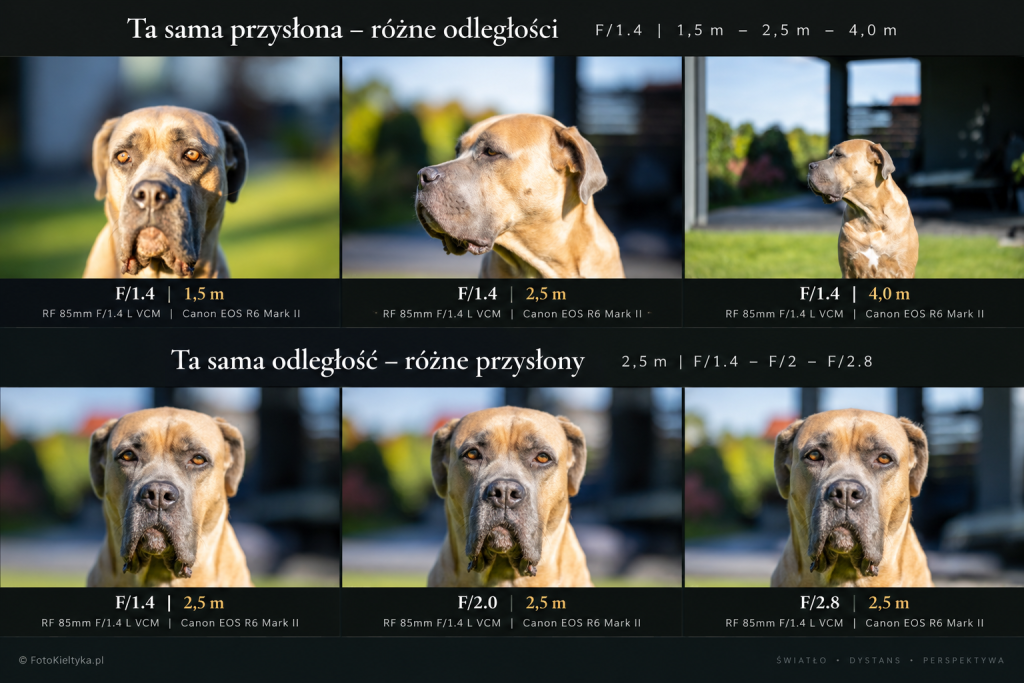
Shooting with a very wide aperture is mainly associated with a strongly blurred background and shallow depth of field. But does F/1.4 really always mean that only a small part of the subject will be sharp? I decided...
Publications on photography and photo stock | Photographer Dariusz Kiełtyka
Shooting with a very wide aperture is mainly associated with a strongly blurred background and shallow depth of field. But does F/1.4 really always mean that only a small part of the subject will be sharp? I decided...
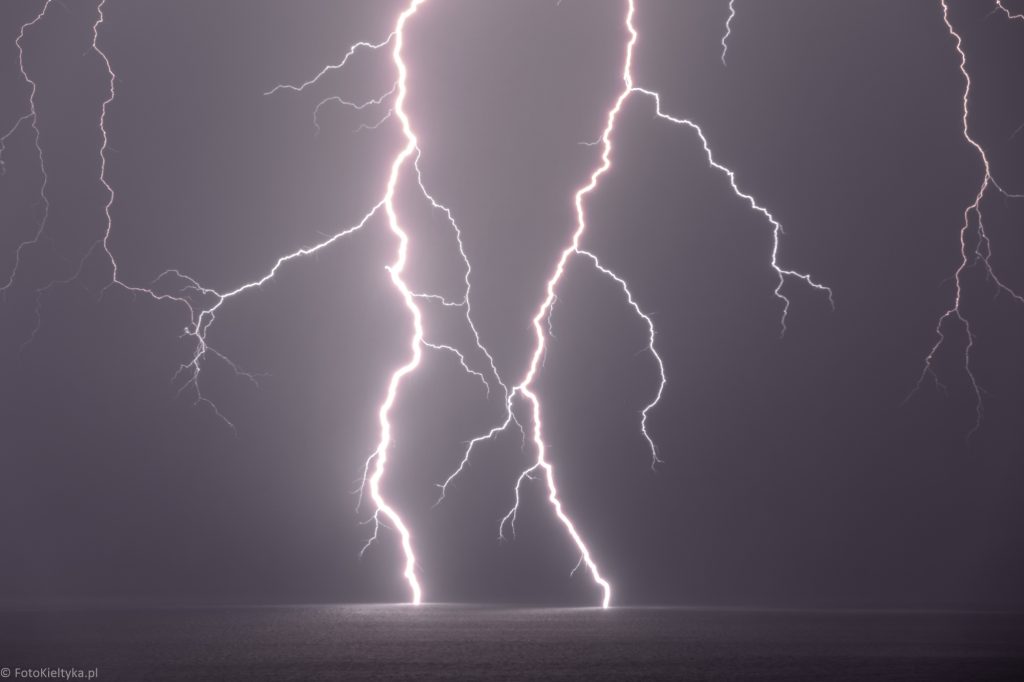
Photographing lightning is one of those experiences that best reveal how unpredictable and fascinating nature can be. You can prepare your equipment, compose the frame and set the exposure, but you never know where the next lightning strike...
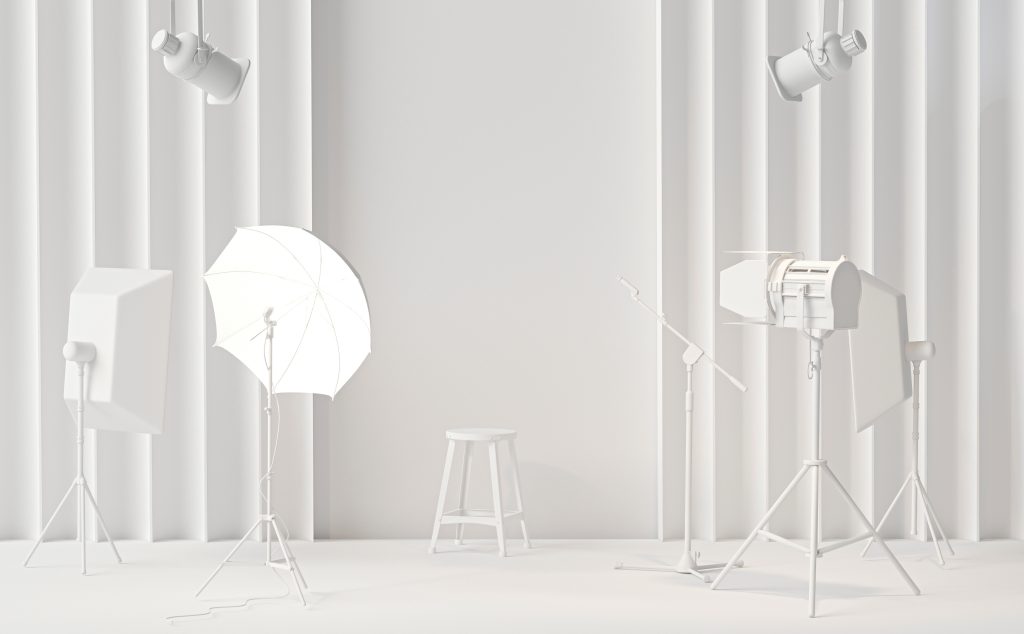
How to set up light for product photography In product photography, light should do more than simply “illuminate” an object. It should reveal its form, texture, colour and quality. Before positioning a lamp, decide what matters most: gloss,...

How colours build emotion, mood and the narrative of a frame Colour is one of the most powerful tools in photography. It determines the emotions a photograph evokes, how the viewer interprets a scene and the mood created...

White balance — the colour of light and intention White balance determines how the camera interprets the colour of light. It can preserve the natural appearance of a scene or deliberately give a photograph a cooler or warmer...

How to guide the eye and build a story within the frame Composition is how you arrange elements within the frame. It determines where the viewer looks, what they notice first and how they “read” a photograph. It...
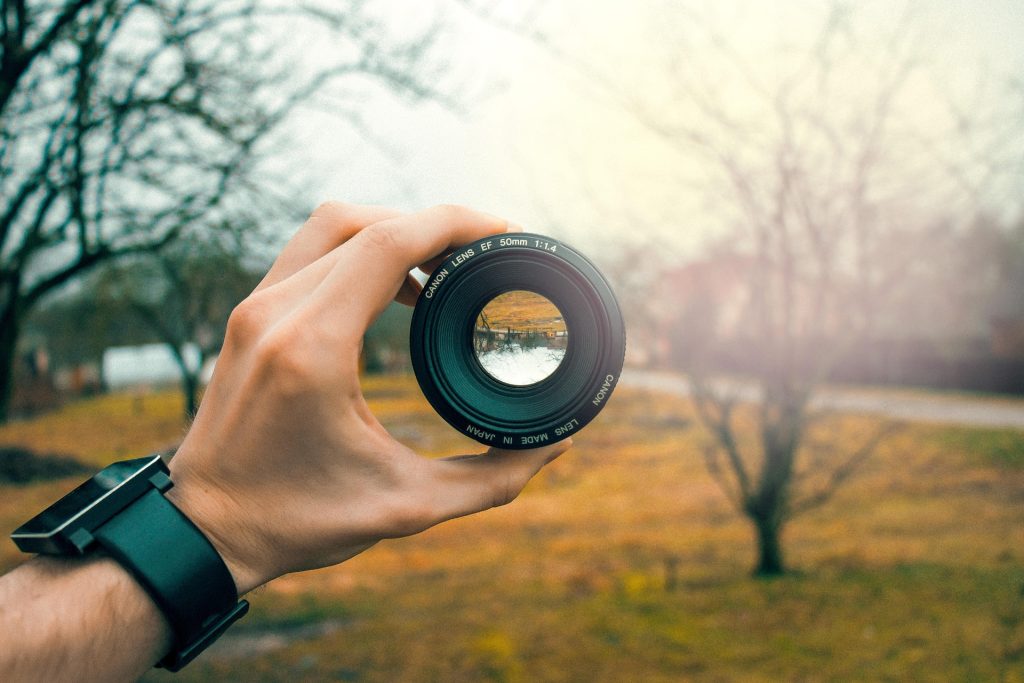
Focal length and perspective — what really changes the image Focal length changes the angle of view, meaning how much of a scene fits into the frame. Perspective — the relative proportions of elements — is changed primarily...

Aperture in photography — light and depth of field Aperture regulates the amount of light passing through the lens and affects depth of field. A smaller f-number means a wider opening, while a larger number means a smaller...

Landscapes with a large depth of field — a practical starting point Sharpness from a close foreground to a distant background does not come from one universally correct setting. It depends on focal length, the distance to the...

Goal: the perfect portrait A portrait requires reliable eye tracking, natural rendering of the model’s movement and control over depth of field. The RF 85mm f/1.4 VCM lens delivers clinical sharpness and soft bokeh — provided AF and...
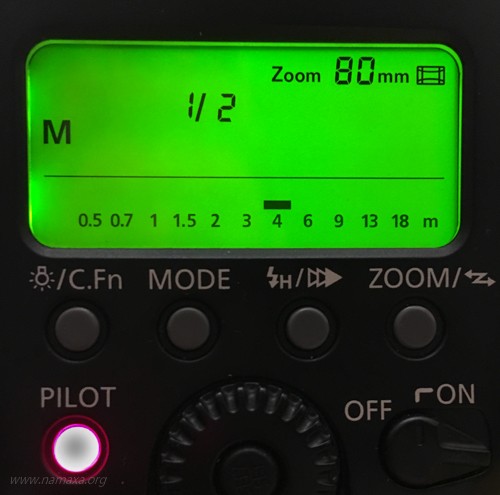
HOW TO SET UP FLASH IN MANUAL MODE In writing this article, I gathered the most important information to help beginner photographers use an external flash in manual mode. This mode gives full control over light, unlike natural...