For an online shop, start with white. It makes a series of products easy to compare. If a pale product loses its outline against white, try light grey. For glass or polished metal, try black and use a large softbox to define the edges with reflections. For cosmetics or accessories, pick a colour that contrasts with the packaging, then check that the label is still easy to read.
A white background is the most widely used in product photography. It is neutral and clear, allowing attention to focus solely on the product. It is ideal for online shops, where consistency and clarity of photographs matter.
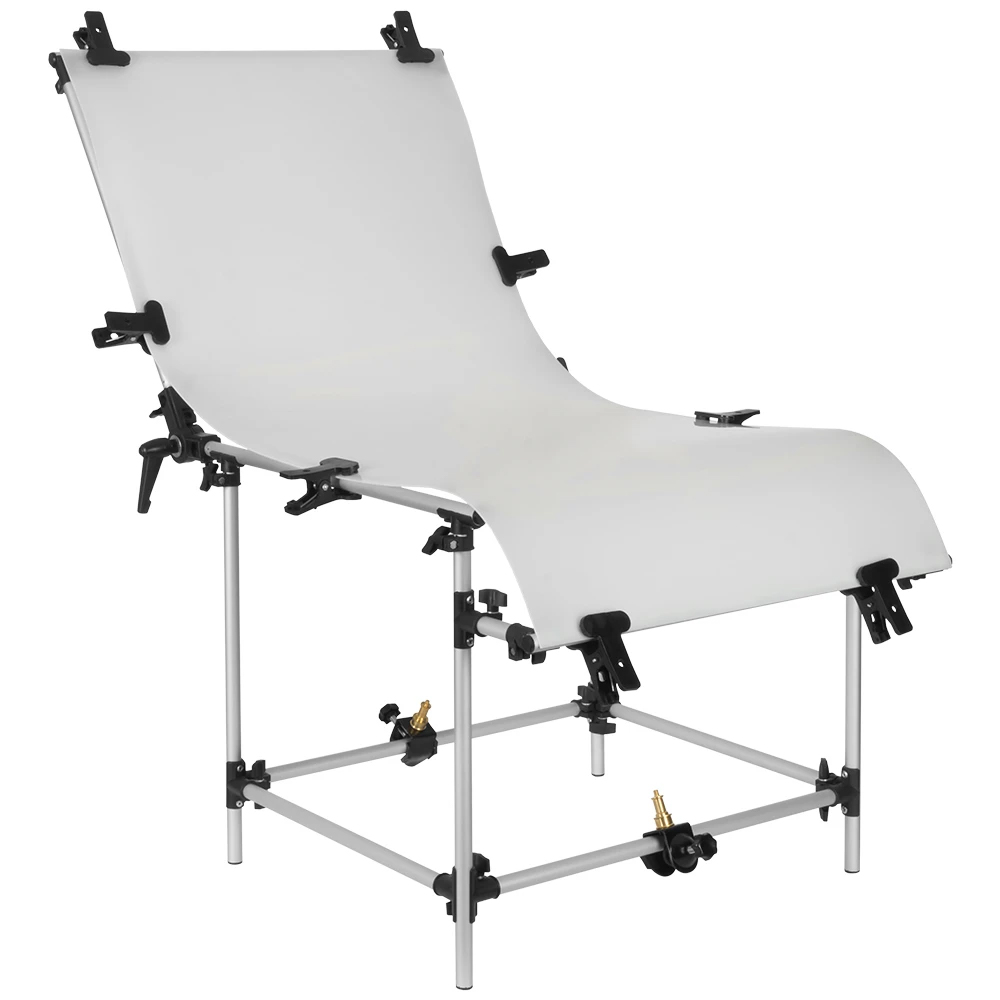
White acrylic or photographic backdrop paper works best. To avoid grey gradients and shadows, it is worth lighting the background with a separate lamp. For smaller objects, we can use a shadowless shooting table.

Example of a white background:

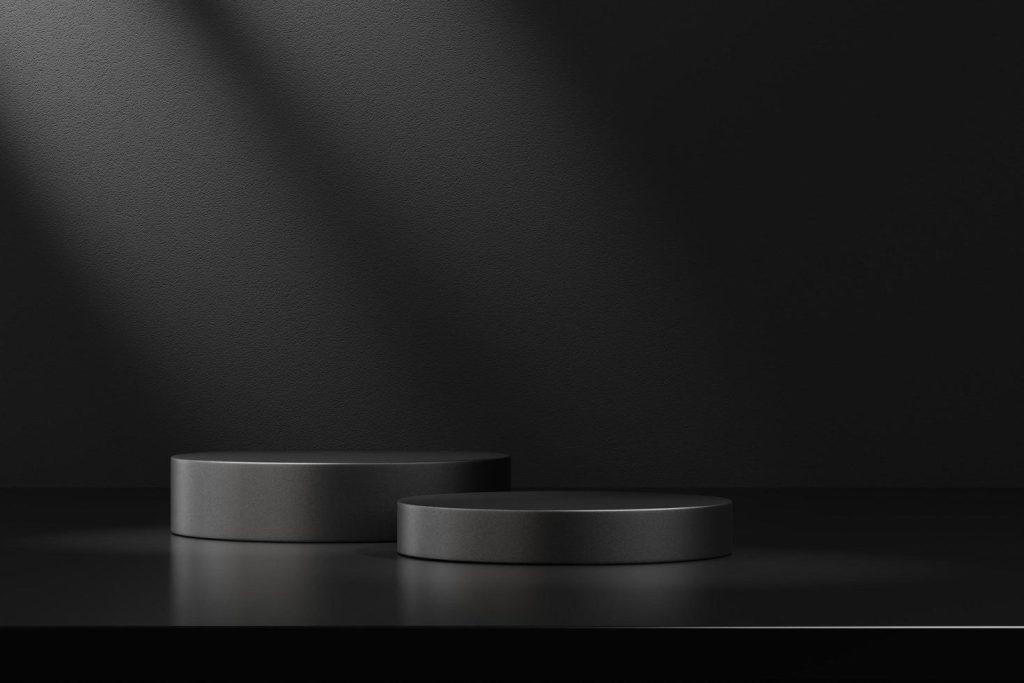
A black background gives products an elegant, luxurious character. It works very well for metals, glass, electronics and premium products. However, it requires precise lighting to control reflections and maintain appropriate contrast.
For a black background, matte surfaces that do not reflect light work best. With glossy products, it is worth using a large softbox or diffuser to achieve an even highlight.
Example of a black background:
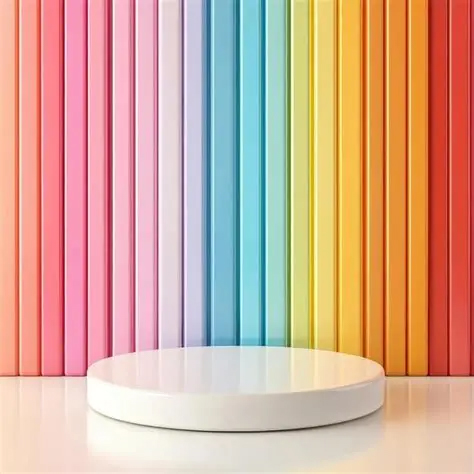
Coloured backgrounds give photographs energy and character. They work well for cosmetics, lifestyle products and accessories. The background colour should emphasise the product rather than compete with it.
It is best to use colours that contrast with the product or reinforce its characteristics (e.g. pastel backgrounds for cosmetics, strong colours for sports electronics). See examples in my Colourful Backgrounds album.


Examples of coloured backgrounds:
Gradient backgrounds add depth and subtle tonal transitions to photographs. They are often used in advertising photography and for products with modern designs.
Textures such as wood, concrete, stone and metal work well in styled arrangements. They add a natural feel and context, but care is needed not to overwhelm the product with an overly strong pattern.
Gradients and textures:


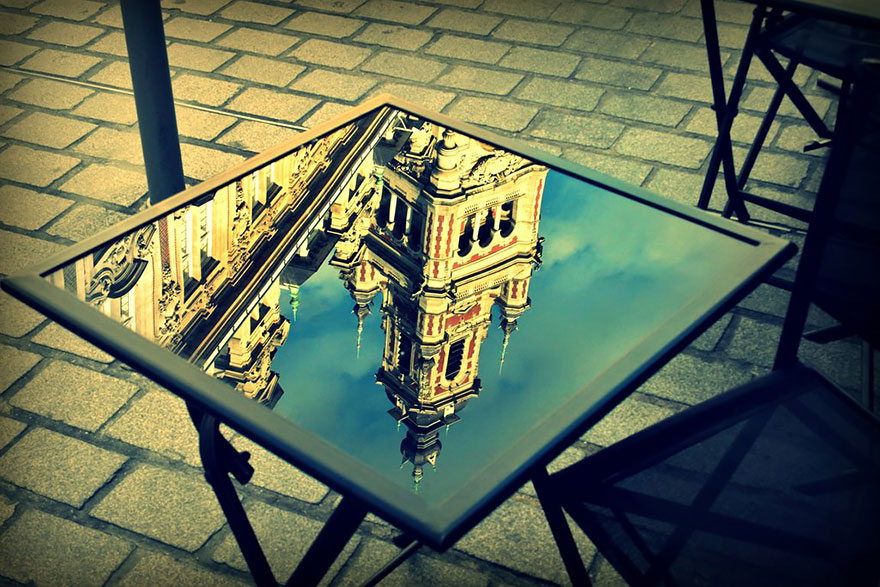
Black or white acrylic creates an elegant reflection of the product. This is a popular technique in photographs of electronics, cosmetics and jewellery. The reflection adds depth and a professional look. In urban photography, reflections in puddles produce an interesting effect.
Remember that the reflection should be subtle and controlled. If it is too strong, it may distract attention from the product.
Example of a reflection on acrylic:
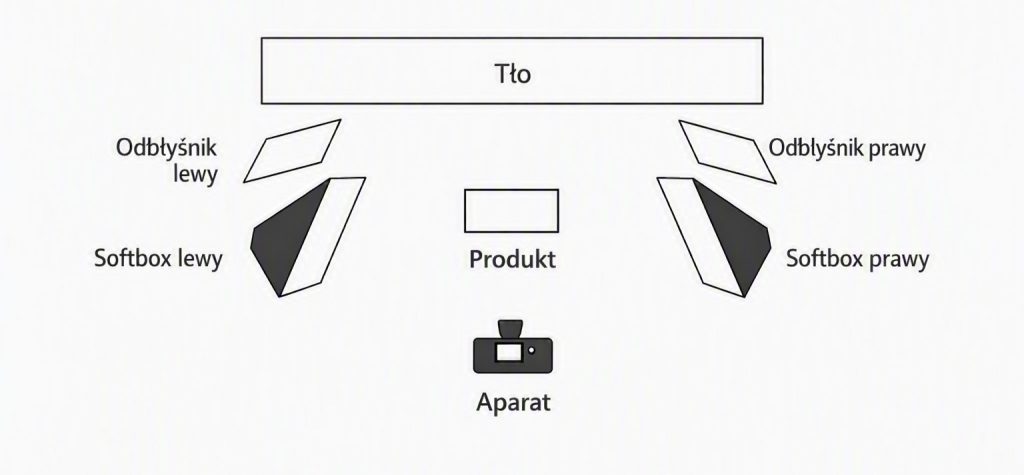
The choice of background should always be linked to the lighting setup. White backgrounds require strong additional lighting, black ones require precise light shaping, and coloured ones need even lighting to avoid colour shifts.
If you are photographing a series of products, try not to change the background between shots. Visual consistency is crucial in e-commerce.
A universal lighting setup for different backgrounds:
The background is a key element shaping how a product photograph is perceived. Chosen well, it emphasises the product, increases its appeal and strengthens the visual message. It is worth experimenting with different surfaces, remembering that the background should support the product rather than compete with it.